
The South African government is examining the standard retirement age as part of significant reforms that will impact millions of older citizens. The age of 65 has long been recognized as the typical retirement threshold but recent policy adjustments are beginning to alter this standard. The proposed changes may enable older workers to continue employment while accessing partial government pension benefits. This program seeks to boost economic growth & guarantee equitable benefit distribution for elderly South Africans.
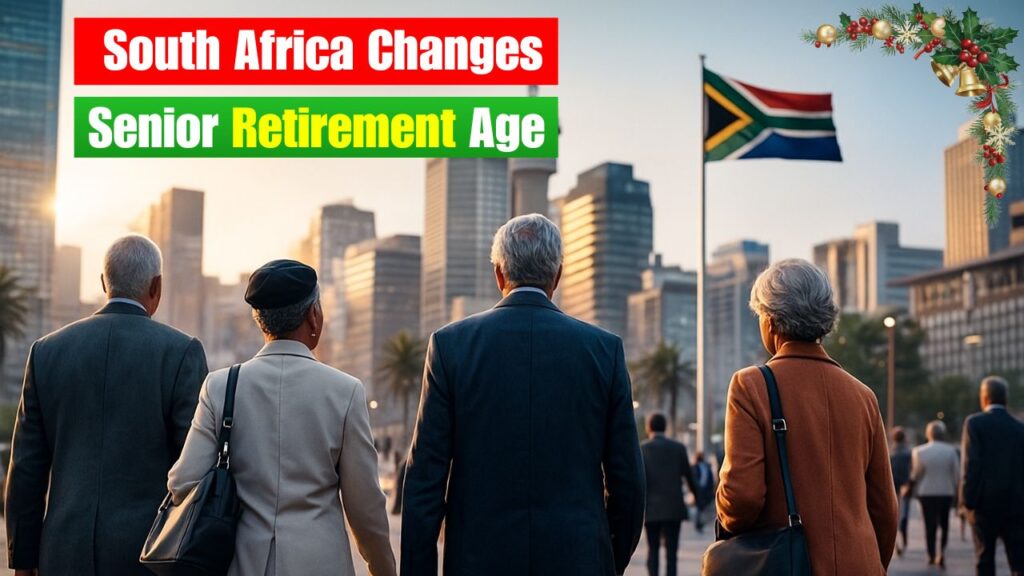
New Retirement Age and Policy Changes for 2025
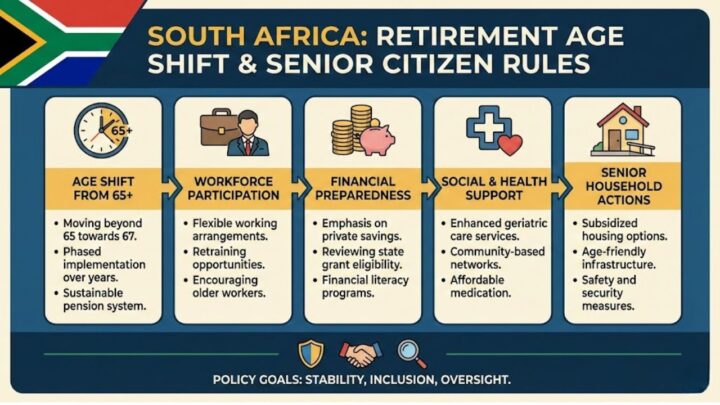
South Africa is thinking about raising the official retirement age from 65 to 67 or possibly 70. This idea comes from research showing that people are living longer & that the country needs more skilled workers. The new policy would let employees choose to keep working past 65 while still receiving their social pension benefits. The Department of Employment and Labour wants to create a system that is both sustainable and fair by giving older workers flexible options to leave the workforce when they are ready. This would apply to workers in both private companies and government jobs.

Impact on South African Senior Citizens
The new rule may have a major effect on South African seniors who depend on their pension as their main income source. People who want to keep working can now contribute for more years & boost their future pension payments. Early retirees will still have the option to request the regular old age grant from SASSA. The government promises that nobody will lose their benefits but the requirements for eligibility and payment schedules might shift based on how much people earn and whether they are still employed.
Government’s Goal Behind the New Retirement Rules
The main reason for changing the retirement age policy is to build a pension system that can last longer and match the changing population patterns in South Africa. When healthy older people keep working for more time it helps reduce the pressure on pension funds. This approach also allows skilled workers to keep teaching and guiding younger employees. The government wants to look at the social security system over time to make sure it fits with how the economy and job market are developing.

Expected Timeline and Implementation Strategy
The new retirement age reform plan will likely start in mid-2026. The Department of Social Development will begin by checking who qualifies among current pensioners and workers close to retirement. Some provinces may test the program first before it spreads across the country. While this happens people affected will get official letters with new payment dates and help on adjusting to the updated retirement system.

| Retirement Category | Current Age Limit | Proposed New Age | Expected Implementation | Eligible Benefits |
|---|---|---|---|---|
| Public Sector Employees | 65 Years | 67 Years | Effective From July 2026 | Full Pension + SASSA Benefits |
| Private Sector Employees | 65 Years | 70 Years | Effective From October 2026 | Partial Pension + Continuing Salary |
| Self-Employed Seniors | 65 Years | Flexible (Up to 72 Years) | Effective From January 2027 | Voluntary Pension Enrollment Option |
| Early Retirees | 60 Years | No Change | Ongoing | SASSA Old Age Grant |